Aviation Marketing: How Brands Can Use Pinterest Without Breaking the Law

Just because the Internet gives a brand the ability to pin an image to a Pinterest page doesn’t mean that it’s legal.

Brian Heidelberger, Partner and Chair of Winston + Strawn, LLP’s advertising, marketing, and entertainment law group and Monique Bhargava, Associate in Winston and Strawn’s intellectual property department have written the article “How Brands Can Use Pinterest Without Breaking the Law.”

My interpretation of the article is that aviation marketers should be aware of potential legal liabilities when posting images to Pinterest to protect their brand from copyright infringement lawsuits. Continue reading

Aviation Marketing: How to build a connected brand

Aviation Marketers should view their brand through their customer’s eyes to determine its social identity.

Facebook commissioned Forrester research to evaluate how marketers are building brands in the connected world. The research revealed that most marketers believed that social media was important to brand building, however their current strategies were out of sync with how customers prefer to interact with their offerings.

Continue reading

Aviation Marketing: Social media strategy and measurement metrics

Like a good pilot, aviation marketers should chart a course for identifying social media direction, measurement metrics, and business results.

The Altimeter Group published an open research study entitled “A Framework for Social Analytics”. They propose a social media measurement compass as a way to keep social media activities on course and measure social media’s impact on achieving business goals.

My interpretation for aviation marketers is that they should take a granular look at their business operations for areas of opportunity beyond marketing where social media can enhance business process and revenue generation.

Continue reading

Aviation marketing social media: Listen before you act

Determining if social media should be integrated into your aviation marketing strategy starts with listening to what’s being said and evaluating if your company should be part of the conversation.

Social media is full of challenges. It’s continuous, messy, unpredictable, and non-linear, requiring aviation marketers to adopt new strategies, measurement metrics, organizational structures, and technology to successfully integrate social media into their marketing mix.

Continue reading

Aviation Marketing: Getting social media to pay off

For aviation marketers to reap social media benefits, they should be open-minded and take a holistic view of marketing, customer engagement, brand reputation, sales and innovation channels

The aviation industry has been slow to embrace social media. However, forward-thinking aviation manufacturers that are early movers will have a competitive advantage over their peers.

Accenture Consulting published an enlightening social media adoption report on B2B companies. Here are some of their key findings, along with my insights for aviation marketers.

Continue reading

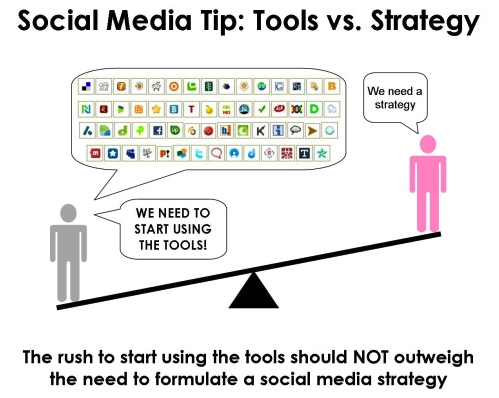
Designing a social marketing strategy for Aviation Marketing

Implementing social marketing tools and tactics accelerates customer engagement.

Aviation component and systems manufacturers already practice the basic elements required for social marketing. Taking what you know on the B2B side and moving it to the people-to-people social marketing side requires a shift in thinking – losing the urge to dominate the conversation and understanding the tactics and tools of social marketing.

Continue reading

Why people-to-people marketing is replacing business-to-business in the aviation industry

In aviation marketing successful brands are creating loyalty and commanding premium pricing by connecting on a personal and emotional level with their customers. 

Historically, aviation industry component and system manufacturers have practiced traditional business-to business outbound marketing (push marketing model). The outbound model relies on bought media to push key messages to a mass audience, segmented by demographic, SIC code, business title or purchasing authority.

Tactical execution takes the form of:

  • advertising
  • direct promotion
  • trade shows
  • sales literature
  • web banners
  • micro sites
  • company websites

Often public relations tactics such as press releases and product stories in trade publications support out-bound efforts.

The push marketing strategy is predicated on disrupting the viewer to convey predetermined key messages that support product features, benefits and value propositions.

For many aviation industry manufacturers, this has been a successful approach to building brand awareness. However, outbound marketing requires a large investment in bought media and advertising return on investment is hard to track.

Customers are disillusioned with the “about me” aspect of the creative product further challenging the advertising’s ability to disrupt the viewer in the work environment. In addition, outbound lacks the stickiness to build community and form a one-on-one relationship with the individual.

Enter People-to-People Marketing 

People-to-people marketing is predicated on building relationships with individuals and communities through conversations that nurture and build trust. Technology is at the heart of inbound marketing (pull marketing model).

One of the most intriguing aspects of people-to-people marketing is its not confined to the workplace. Personal computing power in the form of smart phones and tablets makes it possible to connect with customers in venues not traditionally associated with aviation marketing.

Social media outlets provide the means to listen and carry on conversations with individuals. People-to-people marketing requires aviation marketers to reevaluate and rebalance their marketing mix to achieve their marketing goals.

Successful people-to-people marketing shifts the focus from “me oriented” to “story telling” to create the personal and emotional bonds.

In addition, personal computing power opens up new venues for storytelling through video, slide share and other syndicated platforms. Inbound marketing also comes with a wide array of analytics packages to help establish data chains for measurement and marketing investment.

Finding the right balance

Today, successful aviation marketing requires an integrated mix of inbound and outbound marketing to tell the brand story. Aviation marketers are challenged to accomplish more with less, forcing them to reassess traditional marketing efforts and move towards more cost effective inbound marketing venues.

Many of these new venues are reaching maturity, offering integrated marketing and viable ways to reach prospects, establishing relationships and forming one-on-one connections with your audience.

Aviation Marketing: Learning social media from others

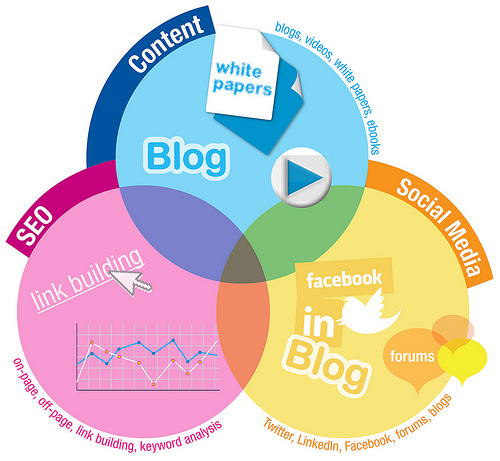
Social media can increase the reach and effectiveness of aviation marketing programs.

For aviation marketers to fully understand the power and potential of social media, they should take a look at how companies in other industries have successfully integrated social media into their marketing mix.

Social media usage in people-to-people marketing is growing. Both small and large companies are finding new ways to connect with their customer base and build relationships. Continue reading