Aviation Marketing: How non-visible web content can improve click through rates

Aviation marketers should have a basic understanding of description meta tags to provide both search engines and users with a summary about their web pages. 

Google published their Search Engine Optimization Starter Guide for webmasters that are new to the topic and wish to improve their SEO knowledge. Here is their view on writing effective page description meta tags along with my insight for aviation marketers. Continue reading

Aviation Marketing: Search Engine Optimization 101

Aviation marketers should be aware of best practices for basic Search Engine Optimization (SEO) techniques to elevate organic Search Engine Results Page (SERP) ranking for key word search.

Achieving better SEO results is a matter of making small modifications to your website. These modifications totaled together can elevate page rankings and improve search results. SEO can seem like black box technology when in reality it’s a matter of understanding your audiences, providing quality content and knowing how to optimize your site to be more search engine friendly. Continue reading

Aviation Marketing: Getting social media to pay off

For aviation marketers to reap social media benefits, they should be open-minded and take a holistic view of marketing, customer engagement, brand reputation, sales and innovation channels

The aviation industry has been slow to embrace social media. However, forward-thinking aviation manufacturers that are early movers will have a competitive advantage over their peers.

Accenture Consulting published an enlightening social media adoption report on B2B companies. Here are some of their key findings, along with my insights for aviation marketers.

Continue reading

Aviation Marketing: Dynamic customers require quality content

Aviation marketers should pay attention to consistency of story to keep dynamic customer engaged in phased purchase cycle.

Connecting with dynamic customers is challenging, requiring aviation component and system manufacturers to engage their customers with a positive brand experience, and consistent story line through-out the phased purchase cycle of awareness, consideration and intent.

Jeremiah Owyang, industry analyst and partner at the Altimeter Group presented at the Digital Blue conference. The presentation was to help companies better understand changing industry dynamics, identify innovative companies and to learn from best-of-bred in other markets.

Continue reading

Aviation Marketing: Inbound marketing budgets increase as cost per lead goes down

Inbound marketing channels are proving their value in lead generation and customer acquisitio

HubSpot recently published their 2012 State of Inbound Marketing Report. Based on a survey of 972 professionals in both small (1-5 employees) and large (500+ employees) businesses, the report is designed to help business and marketers understand the current usage and results of inbound marketing.

The report identified 5 key takeaways to look for in 2012 that are important to aviation marketers:

Continue reading

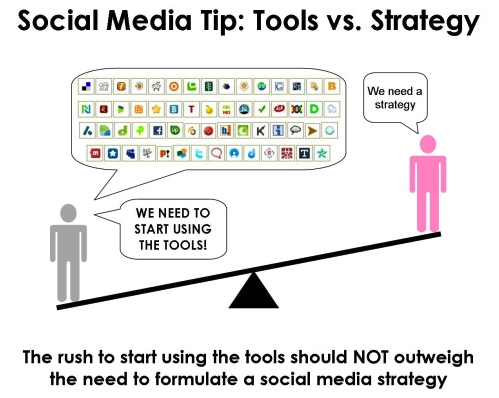
Designing a social marketing strategy for Aviation Marketing

Implementing social marketing tools and tactics accelerates customer engagement.

Aviation component and systems manufacturers already practice the basic elements required for social marketing. Taking what you know on the B2B side and moving it to the people-to-people social marketing side requires a shift in thinking – losing the urge to dominate the conversation and understanding the tactics and tools of social marketing.

Continue reading

Aviation Marketing: How dependent is your company on Defense Department business?

Aviation manufacturers should pay attention to product offering and customer base as defense spending is reduced.

To meet the 2011 Budget Control Act the Defense Department is going reduce future expenditures by $487 billion over the next 10 years. Aircraft component and system manufacturers would be wise to and rebalance their aviation marketing efforts by reviewing internal and external resources and planning for new customer acquisition.

In January 2012 the defense department published, “Defense Budget Priorities and Choices.” This document laid out the Defense Departments strategic guidance for budget reduction as required by the 2011 Budget Control Act. Continue reading

Content development for aviation marketing is a communal affair

Content development for aviation marketing is a company-wide affair, led by the marketing department but requiring consensus and support from the C-Suite and the engineering department.

The Altimeter Group recently published a research study entitled “Content: The New Marketing Equation.” The research methodology is based on qualitative interviews from marketers in 38 companies. Many of the brands are leading B2B and B2C companies, including: Continue reading

Aviation Marketing: How CMO leadership affects advertising agency performance

If aviation industry CMOs receive work that is creative, meaningful and inspiring, a covenantal relationship is built that fulfills the emotional needs of both CMO and agency.

What type of relationship do you have with your agency – contractual or covenantal?

We all want to be needed. This is never more apparent than when you work with a group of creative people. Agency folks by their very nature are a high touch, service-oriented bunch that will work themselves into a frenzy trying to please their clients.

Unfortunately, due to circumstances or culture beyond the CMO’s control, the relationship starts to sour because it is viewed as a contractual relationship. Contractual relationships lack emotion, are based on obligations written in legalese, and work to the detriment of group dynamics. This type of relationship is based on reciprocity driven by the finance types to find the lowest cost producer.

Typically, contractual relationships are viewed as client and vendor.

As an example, an RFP is sent to 8 agencies (kiss of death) for the development of a new corporate website and an inbound marketing program. Due to the economic climate, the agencies don’t want to say “NO” to anything. These agencies work diligently on their proposals, developing strategies and sighting technologies that will meet the RFP requirement. A couple of agencies even develop mockups of their ideas to help the client visualize the concepts they are proposing. Then the contractual mentality kicks in and the project is awarded to the agency with the lowest cost.

The flip side of the contractual relationship is the covenantal relationship.

Covenantal relationships reward creativity and change. This type of relationship fulfills the emotional needs of both CMO and agency, resulting in work that is:

  • Creative
  • Rewarding
  • Meaningful
  • Inspirational
  • Accountable

In his book “Leadership is An Art,” Max DePree, Chairman emeritus of Herman Miller Inc., identifies seven ground rules for a covenantal relationship:

  1. The right to be needed
  2. The right to be involved
  3. The right to understand
  4. The right the affect one’s own destiny
  5. The right to be accountable
  6. The right to appeal
  7. The right to make a commitment

Achieving a covenantal relationship requires strong CMO leadership – someone who is confident in their abilities yet trusts others on whom they depend for their success.

The covenantal CMO/agency relationship is a group dynamic with one side or the other demonstrating leadership at different times. Throughout this cycle, CMO and agency take on two roles – one as creator, and the other as implementer.

In the covenantal relationship, all parties are emotionally involved with the outcome. In many instances, the CMO’s implementation is just as creative as the creative act he/she is responding to.

Why people-to-people marketing is replacing business-to-business in the aviation industry

In aviation marketing successful brands are creating loyalty and commanding premium pricing by connecting on a personal and emotional level with their customers. 

Historically, aviation industry component and system manufacturers have practiced traditional business-to business outbound marketing (push marketing model). The outbound model relies on bought media to push key messages to a mass audience, segmented by demographic, SIC code, business title or purchasing authority.

Tactical execution takes the form of:

  • advertising
  • direct promotion
  • trade shows
  • sales literature
  • web banners
  • micro sites
  • company websites

Often public relations tactics such as press releases and product stories in trade publications support out-bound efforts.

The push marketing strategy is predicated on disrupting the viewer to convey predetermined key messages that support product features, benefits and value propositions.

For many aviation industry manufacturers, this has been a successful approach to building brand awareness. However, outbound marketing requires a large investment in bought media and advertising return on investment is hard to track.

Customers are disillusioned with the “about me” aspect of the creative product further challenging the advertising’s ability to disrupt the viewer in the work environment. In addition, outbound lacks the stickiness to build community and form a one-on-one relationship with the individual.

Enter People-to-People Marketing 

People-to-people marketing is predicated on building relationships with individuals and communities through conversations that nurture and build trust. Technology is at the heart of inbound marketing (pull marketing model).

One of the most intriguing aspects of people-to-people marketing is its not confined to the workplace. Personal computing power in the form of smart phones and tablets makes it possible to connect with customers in venues not traditionally associated with aviation marketing.

Social media outlets provide the means to listen and carry on conversations with individuals. People-to-people marketing requires aviation marketers to reevaluate and rebalance their marketing mix to achieve their marketing goals.

Successful people-to-people marketing shifts the focus from “me oriented” to “story telling” to create the personal and emotional bonds.

In addition, personal computing power opens up new venues for storytelling through video, slide share and other syndicated platforms. Inbound marketing also comes with a wide array of analytics packages to help establish data chains for measurement and marketing investment.

Finding the right balance

Today, successful aviation marketing requires an integrated mix of inbound and outbound marketing to tell the brand story. Aviation marketers are challenged to accomplish more with less, forcing them to reassess traditional marketing efforts and move towards more cost effective inbound marketing venues.

Many of these new venues are reaching maturity, offering integrated marketing and viable ways to reach prospects, establishing relationships and forming one-on-one connections with your audience.