In aviation marketing successful brands are creating loyalty and commanding premium pricing by connecting on a personal and emotional level with their customers.
Historically, aviation industry component and system manufacturers have practiced traditional business-to business outbound marketing (push marketing model). The outbound model relies on bought media to push key messages to a mass audience, segmented by demographic, SIC code, business title or purchasing authority.
Tactical execution takes the form of:
- advertising
- direct promotion
- trade shows
- sales literature
- web banners
- micro sites
- company websites
Often public relations tactics such as press releases and product stories in trade publications support out-bound efforts.
The push marketing strategy is predicated on disrupting the viewer to convey predetermined key messages that support product features, benefits and value propositions.
For many aviation industry manufacturers, this has been a successful approach to building brand awareness. However, outbound marketing requires a large investment in bought media and advertising return on investment is hard to track.
Customers are disillusioned with the “about me” aspect of the creative product further challenging the advertising’s ability to disrupt the viewer in the work environment. In addition, outbound lacks the stickiness to build community and form a one-on-one relationship with the individual.
Enter People-to-People Marketing
People-to-people marketing is predicated on building relationships with individuals and communities through conversations that nurture and build trust. Technology is at the heart of inbound marketing (pull marketing model).
One of the most intriguing aspects of people-to-people marketing is its not confined to the workplace. Personal computing power in the form of smart phones and tablets makes it possible to connect with customers in venues not traditionally associated with aviation marketing.
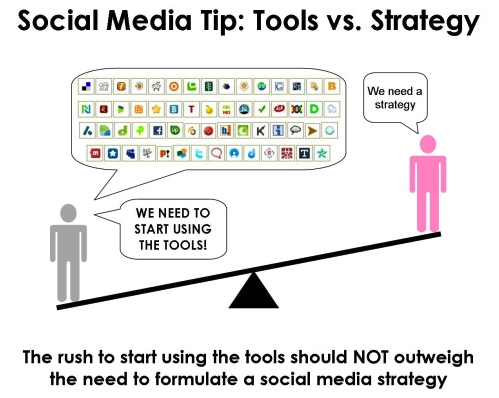
Social media outlets provide the means to listen and carry on conversations with individuals. People-to-people marketing requires aviation marketers to reevaluate and rebalance their marketing mix to achieve their marketing goals.
Successful people-to-people marketing shifts the focus from “me oriented” to “story telling” to create the personal and emotional bonds.
In addition, personal computing power opens up new venues for storytelling through video, slide share and other syndicated platforms. Inbound marketing also comes with a wide array of analytics packages to help establish data chains for measurement and marketing investment.
Finding the right balance
Today, successful aviation marketing requires an integrated mix of inbound and outbound marketing to tell the brand story. Aviation marketers are challenged to accomplish more with less, forcing them to reassess traditional marketing efforts and move towards more cost effective inbound marketing venues.
Many of these new venues are reaching maturity, offering integrated marketing and viable ways to reach prospects, establishing relationships and forming one-on-one connections with your audience.


 Life After Advertising 2.0